Mountains in a Time of Environmental Change
Today, mountain environments lie at the heart of multiple environmental crises. Glacial retreat, shifting precipitation regimes, water scarcity, and accelerating biodiversity loss are reshaping mountain regions across the globe. Yet understanding mountains requires us to look beyond the environmental changes unfolding on their slopes.
Mountains: An Ancient Memory Woven Through Time
Behind the visible peaks, ridgelines, valleys, glaciers, and the geomorphological processes that shape them, mountains harbour deeper, often implicit and even cryptic dimensions of socio-ecological life. Beyond their physical contours lie complex world where ecological processes, cultural practices, and memories have co-evolved across generations. Shaped by these relationships, mountains are lived landscapes of ethical and spiritual significance for many Indigenous and local communities.
At a time when environmental change is transforming mountain regions worldwide, recognizing these dimensions is becoming increasingly important. The loss of glaciers, biodiversity, and ecological integrity is accompanied by the weakening of knowledge systems, cultural practices, and ways of relating to mountain environments. For this reason, protecting mountains requires more than conserving ecosystems; it also requires safeguarding their biocultural heritage.
It is precisely this complexity that has inspired the development of montology, the transdisciplinary science of mountains. By bringing the natural and social sciences into dialogue with Indigenous, local, and scientific knowledge systems, montology seeks to understand mountains not as isolated physical entities, but as dynamic socio-ecological and biocultural systems.
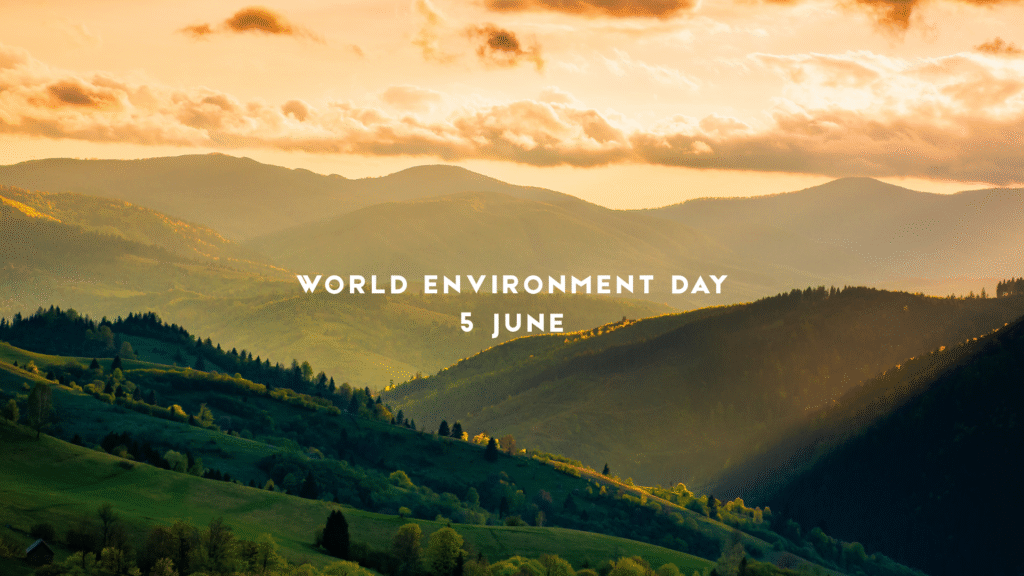
On World Environment Day, reflecting on mountain environments offers an opportunity to look beyond what mountains reveal at first sight and to engage with the deeper relationships they embody. For mountains are more than topography; they are ancient memories woven through time, where nature, culture, knowledge, and meaning continue to converge.